
From Speed to Strength
Musings on speed worship, innovation culture and self-healing materials

Everything is fast. Except the things that matter.
We now live in a world where groceries arrive in ten minutes, food in twenty, dates are decided in a swipe, opinions are formed in thirty seconds, and startups are expected to scale in eighteen months.
And patience? Well, it is out of stock. Delivery is delayed indefinitely.
Somewhere along the way, speed stopped being a feature and became our default setting for life.
Today, we do not cook as much anymore. Instead, assemble what is quickest.
We do not read and learn in depth, either. We consume digests, highlights, and quick summaries. We do not always build with patience, but launch an MVP and hope the market tells us what we should have understood earlier.
Even rest has become optimised. Quick vacation. Power nap. 7-minute workout. 2-minute enlightenment. Am I right?
But here is the uncomfortable truth: the most important things in life have refused to become faster.
Trust still takes time. Relationships do not deepen on demand. Health does not compound in 7-minute bursts. Wisdom does not arrive in reels. And enduring companies are not built in funding cycles.
We apply urgency where it does not belong, and then wonder why so much of modern life feels shallow, fragile, and incomplete.
A farmer cannot rush a crop. Nature has never responded to urgency. It only responds to consistency.
The real work is still stubbornly slow: understanding customers, building teams, earning trust, staying with a problem long enough to solve it well. There are accelerators for visibility, distribution, and convenience. There are very few for depth.
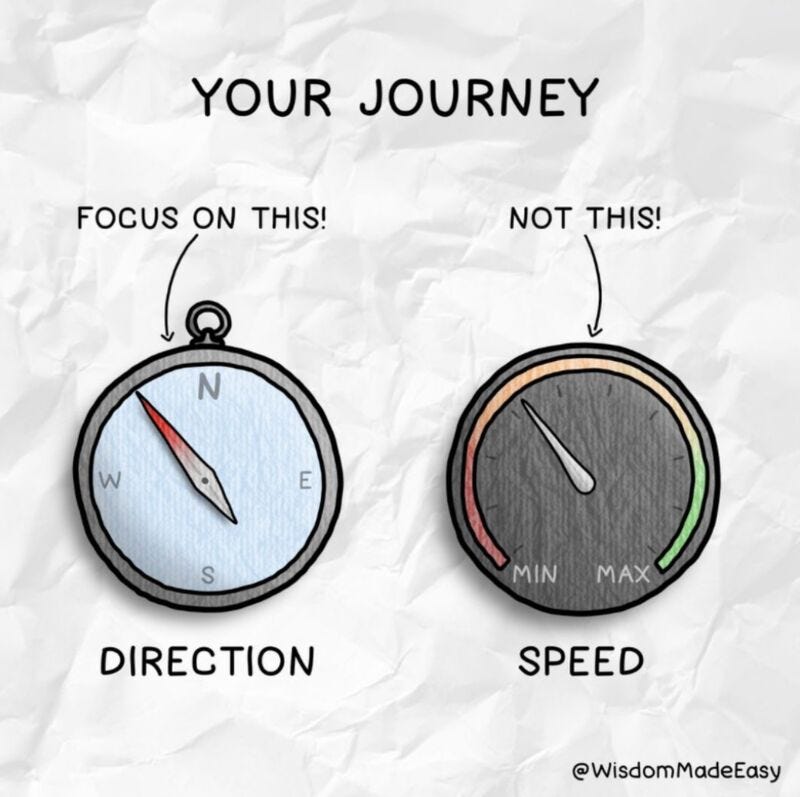
No, this is not a rejection of speed. Speed is powerful.
It has widened access, reduced friction, and created forms of scale we could not have imagined a generation ago. But like every powerful thing, it needs boundaries. Speed is useful when it helps us execute. It becomes dangerous when it starts dictating how we grow, decide, heal, and relate.
Knowing when to accelerate is a skill. Knowing when to slow down is wisdom.
What in your life are you rushing right now that actually needs time?
Leadership Code ~ Mindful Musings with Vani
Mini Masterclass on Innovation
Innovation is directly proportional to your risk (and failure) appetite.
Innovation only looks obvious after it works.
While you are experimenting, it feels uncomfortable, inefficient, and uncertain. That is why so many organisations say they want innovation, but are stuck in mediocrity. The moment failure is punished, people stop experimenting.
Industries are now moving like weather systems. Customer expectations can shift overnight. Yesterday’s best practice becomes today’s baseline. In that kind of environment, playing it safe is slow irrelevance.
You can see this in the innovations that seemed strange before they became inevitable.
Electric vehicles were once dismissed as impractical niche bets. Streaming once looked secondary to traditional distribution until it rewired entertainment. UPI changed how a country moved money by making transactions frictionless, instant, and almost invisible.
Often, most meaningful innovation begins as an awkward deviation from what people are used to.
One more truth anchors all of this: psychological safety is the permission to be honest, early, and often. It allows people to voice a half-formed thought.
Along with bold ideas, innovation is also built on the kind of culture that can hold uncertainty without shutting it down too quickly.
Pulse of Progress
Tales of Tech, Innovation and more
What if bridges could heal like skin?
Skin heals from scrapes and bruises by sensing injury, sealing the wound, rebuilding damaged tissue, and restoring strength before the damage spreads further.
We have always treated decay as a tax on building. Roads crack, concrete weakens, coatings peel, and we step in only when the damage is visible enough, expensive enough, or dangerous enough to demand attention.
Maintenance, as we know it, is mostly a reactive ritual. We wait for failure, then mobilise repair at a cost that is financial, environmental, and often avoidable.
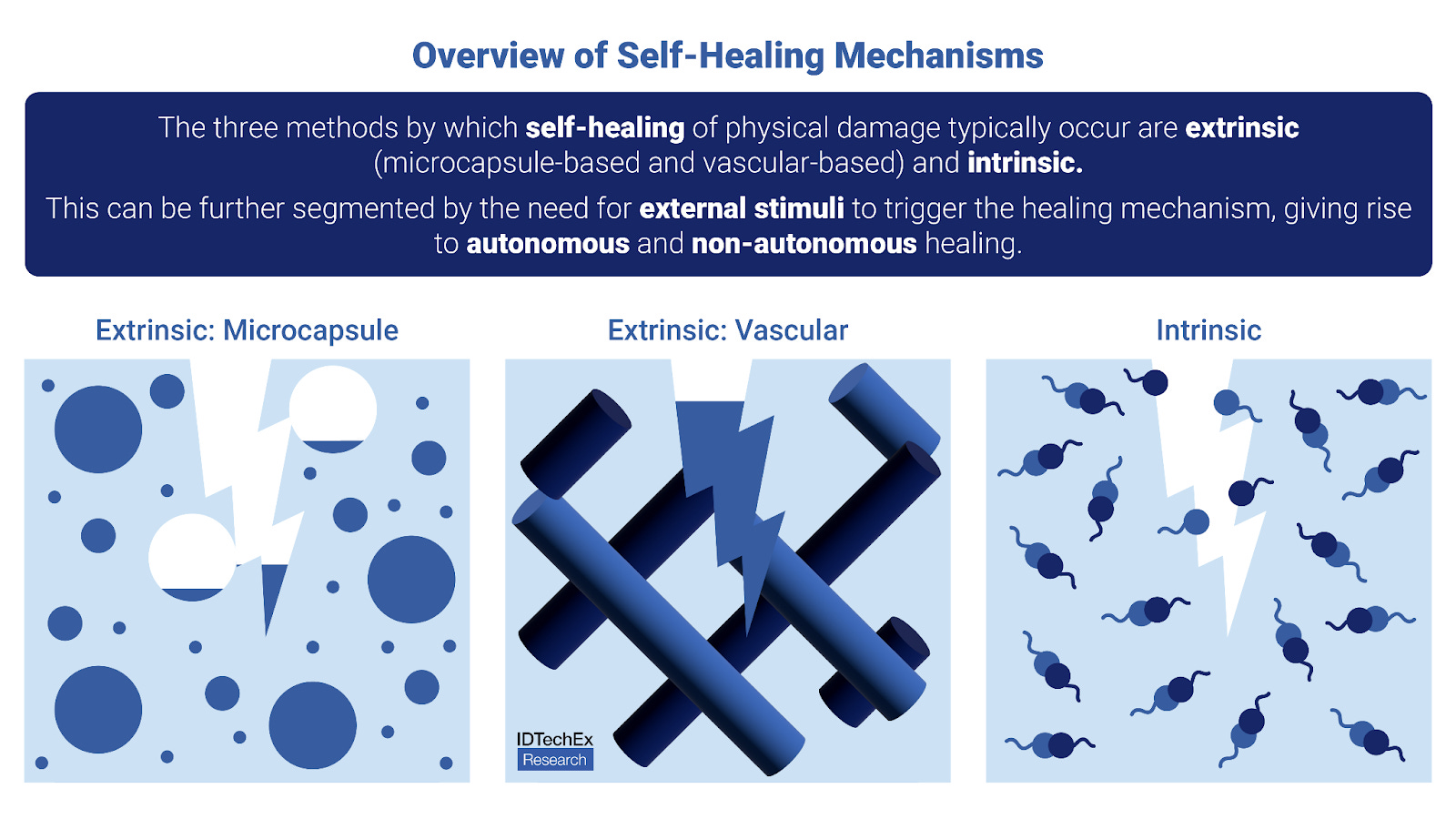
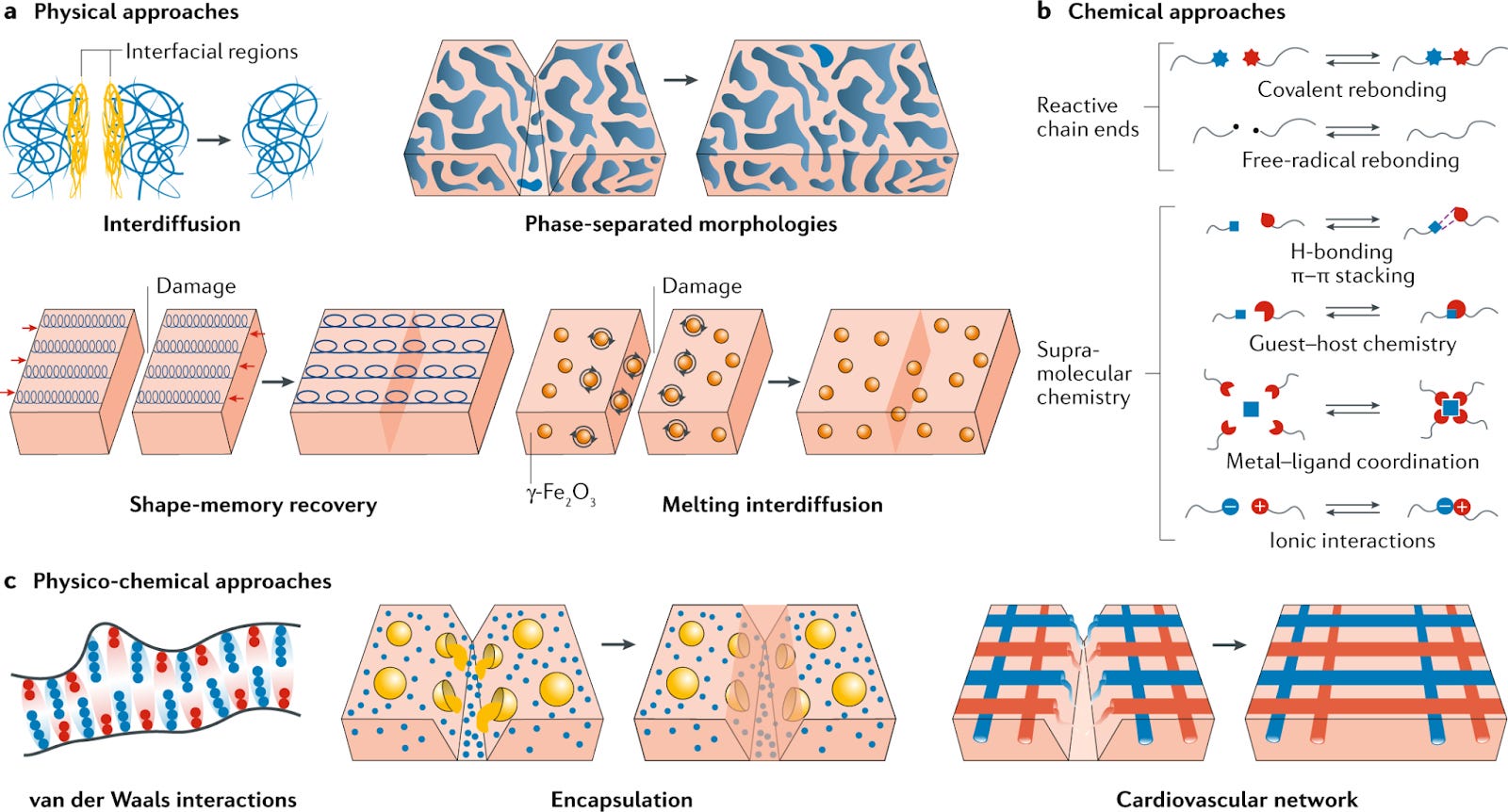
Self-healing materials challenge that entire logic. They are designed with repair mechanisms inside them, so the response to damage begins within the material itself.
In concrete, different self-healing systems work differently: bacteria-based mixes can trigger calcium-based mineral precipitation when water enters a crack, while microcapsule-based systems release embedded healing agents when the crack ruptures the capsule.
In polymers and coatings, the idea is similar, where microcapsules rupture when damaged to release a healing agent that hardens and patches the wound.
For roads, asphalt self-healing research often focuses on encapsulated rejuvenators (oil-like agents) that are released when microcracks propagate, improving healing performance.
We are beginning to engineer recovery.
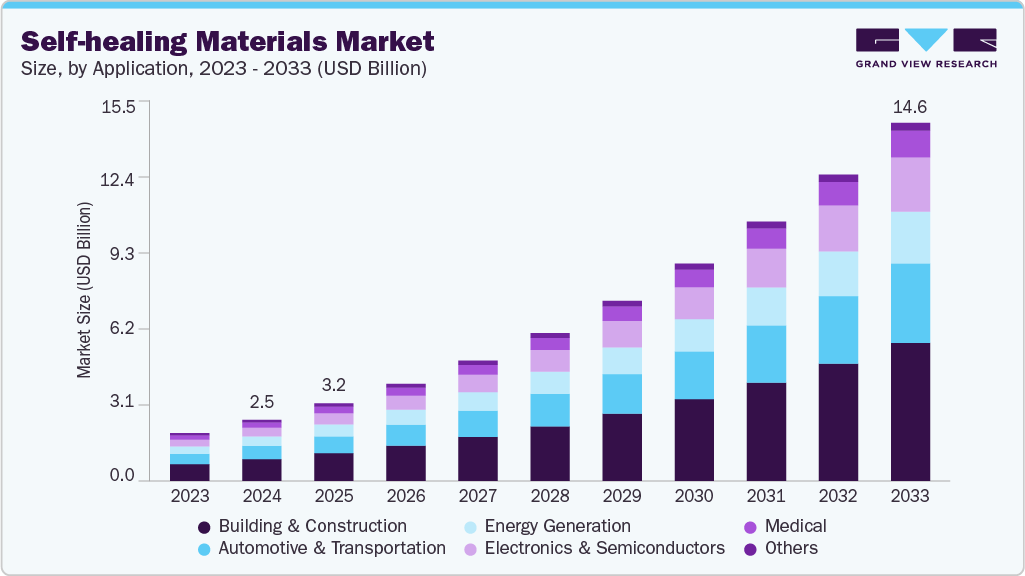
One estimate suggests the global self-healing materials market could reach about $14.6 billion by 2033, as industries look for longer asset life, lower maintenance costs, and more resilient systems.
In India, the implications are especially significant. Public capital expenditure has risen from ₹2 lakh crore in FY2014-15 to a budget estimate of ₹12.2 lakh crore in FY 2026-27, which means the country is building at an extraordinary scale.
At the same time, researchers at IIT Madras are advancing bacteria-based calcite precipitation for cement applications, while companies such as UltraTech are already marketing water-activated concrete solutions that seal microcracks and pores.
The deeper shift here is philosophical.
We have long assumed that what we build will weaken, and that repair will always come from the outside. Self-healing materials suggest a different future, one where resilience is embedded at the point of creation.
And once the built world can trigger repair from within its own materials, the question changes: what is the difference between something we build and something we grow? :)
#LifeLines
#LighterNotes

May the force be with you,
Vani