
Emotional Infrastructure
Notes on aww-powered businesses and wave-powered AI

When I see a giggling baby, I instinctively smile back. Sometimes we make a face or gibberish noises. It is funny how quickly a tiny human can make grown-ups abandon all seriousness.
Last year, in the Masai Mara, we spent endless hours watching lion cubs tumble, pounce, chew tails, fall over each other, and sleep with complete innocence.

What is it about cuteness that loosens our wallets and eats into our time? And why are we so willing to give it our time, attention, affection, and money? Can this instinct be exploited?
Turns out, it already is; we just might not know it.
Cuteness is a powerful emotional cue. In science, it is linked to “baby schema” — big eyes, round faces, small noses, soft bodies, and slightly helpless expressions. These traits trigger our instinct to protect and care. In that sense, cuteness is survival design.
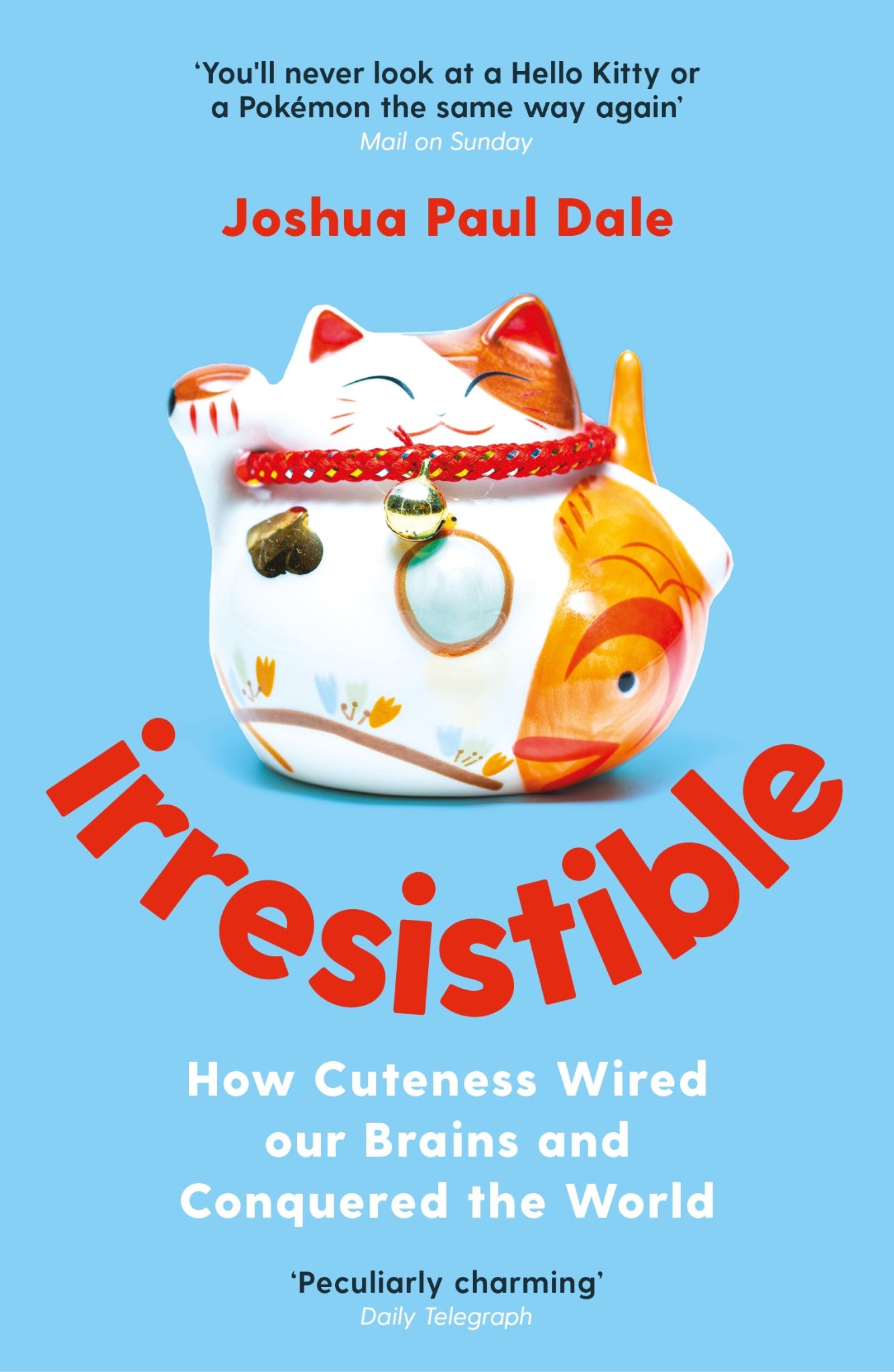
As far as brands are concerned, Nemo, Noddy, Hello Kitty, and the Duolingo owl all borrow from the same emotional language of innocence and playfulness.
Japan turned this into a cultural force through kawaii, where cuteness moved across toys, stationery, fashion, food, public signs, mascots, and brands. Hello Kitty turned 50 recently and still reportedly earns billions every year.
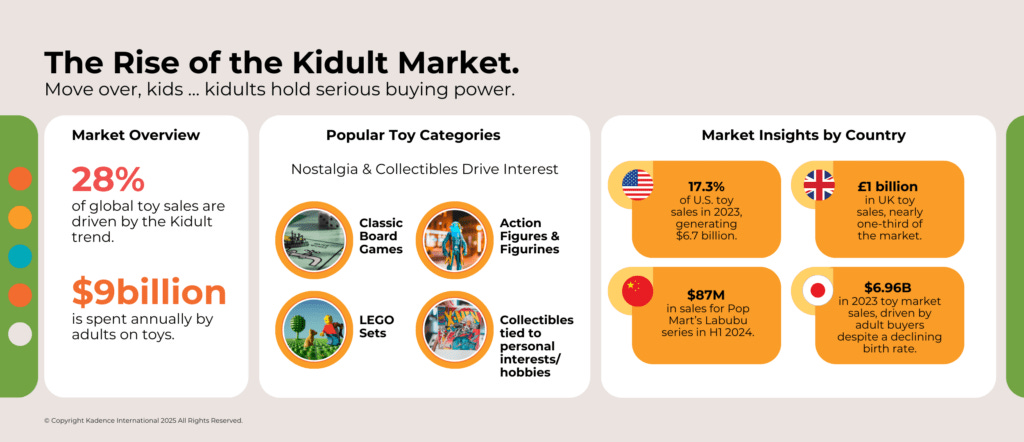
Modern life is increasingly performance-driven. Work is intense, news is heavy, etc., and the economy is heavily fueled by adult consumers/kidults who have significant disposable income and turn to cute, nostalgic characters for escapism, comfort, and emotional anchors.
I wonder if we will look at cuteness with caution and have our guard up in the future, as we understand how much our sentiments are exploited.
Pulse of Progress
Tales of Tech, Innovation and more
The cloud was never really a cloud.
For years, the word made digital life feel weightless. Photos went to the cloud. Emails lived in the cloud. Now, intelligence also seems to arrive from the cloud. :D
As AI becomes mainstream and usage skyrockets, data centres are becoming one of the biggest infrastructure questions of our time. Beyond compute, the pressure is also about power, heat, grid capacity, and freshwater used for cooling.
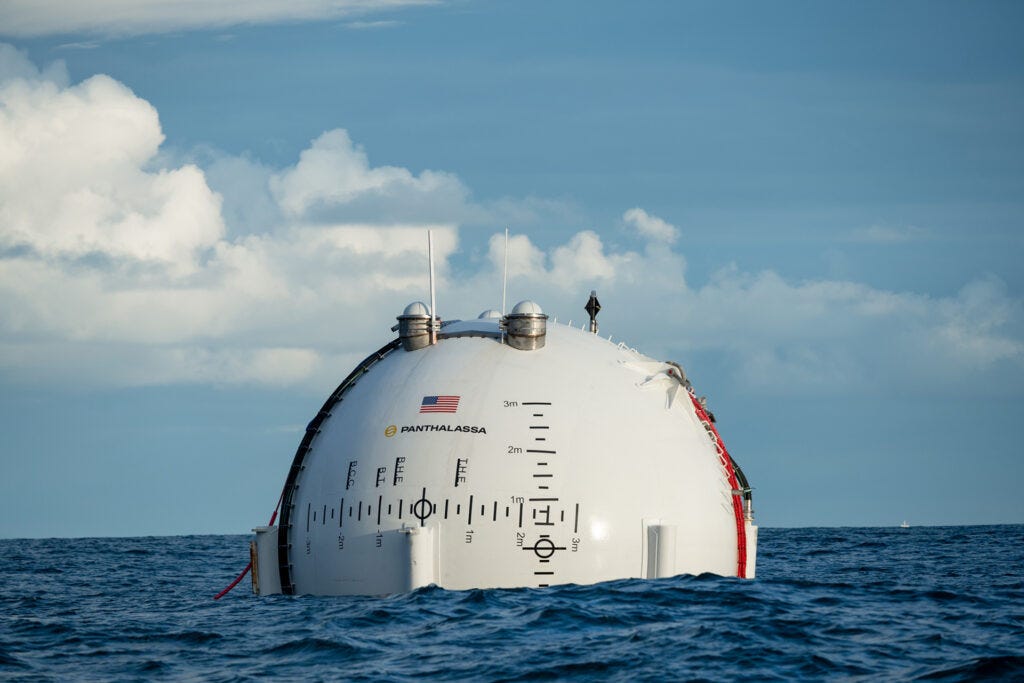
The Portland-based startup Panthalassa is developing floating, wave-powered platforms that can run AI inference workloads at sea. It recently raised $140 million in Series B funding to build offshore AI computing systems.
Each 85-metre node is shaped almost like a giant lollipop, with a buoyant spherical head and a long submerged tube. As waves pass, the structure moves up and down, pushing water through internal turbines to generate electricity on-site. The ocean becomes a real estate, energy source, and cooling system all at once.
It sounds elegant, but the ocean is not exactly a calm server room. Salt corrodes, storms arrive, maintenance gets complicated, and marine regulations are not simple. Still, it is a fascinating direction.
AI may feel invisible to us, but its infrastructure is becoming impossible to ignore. Curious to see how newer innovations tackle emerging AI challenges.
#LifeLines

#LighterNotes

May the force be with you,
Vani