
Addition by Subtraction
Notes on shared goals and sprouting life in space…

In physics, letting go is motion. Release creates velocity.
In life, we often equate letting go with loss.
When we let go, momentum begins, and that is physics. When we stop holding on to things, roles, and identities, we grow personally. Yet, we tend to resist. Letting go can feel like deleting a part of ourselves. Detachment is not indifference.
My understanding of this sharpened as a parent. At the beginning of a child’s conception, we are one breath, one being, total dependence. From the very birth, the identity emerges bit by bit; both must learn the quiet art of separation.
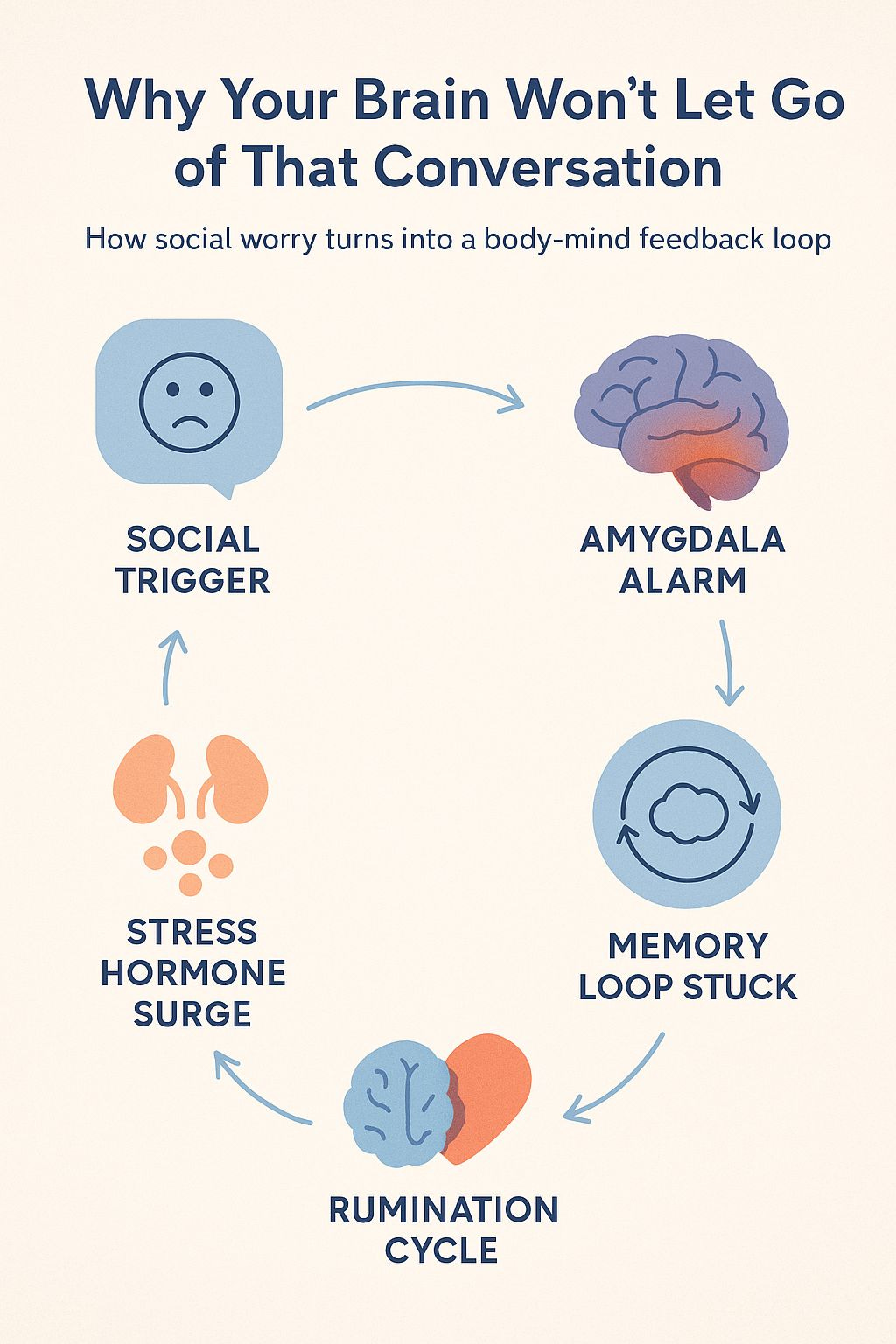
Across cultures, rituals remind us of this paradoxical grace of surrender. Whether it’s offering one’s hair at Tirupati, symbolic of vanity released, or a monk shaving their head as a vow of humility.
There’s something profoundly human about voluntary loss: it’s layered with faith, fear, and renewal. Even psychology agrees that giving something we value can create a strange equilibrium. It’s our way of negotiating with control.
Nature, meanwhile, doesn’t negotiate. It knows very well.
October, with its shedding trees and quiet skies, feels like nature’s gentle nudge that you don’t have to keep everything to keep going. Endings have their own rhythm.
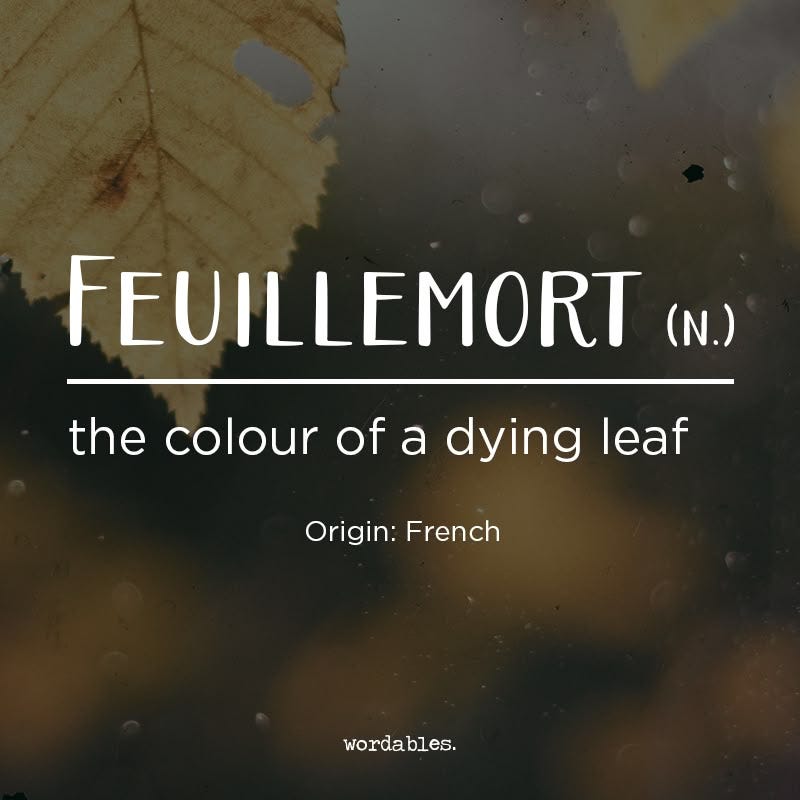
There’s a beautiful French word for the colour of dying leaves. It is called ‘Feuillemort’. It’s that muted brown between gold and rust. It is a good reminder that decay can be dignified, that beauty doesn’t always need bloom.
Letting go is the grace to keep moving, unburdened.
Sometimes, subtraction is the only way to make room for more.
Leadership Code ~ Mindful Musings with Vani
Mini Masterclass on United Vision
Every team has a shape.
Some are pyramids - sharp, top-down, and structured.
Some are circles - fluid, inclusive, and ever-evolving.
But the most powerful teams move like constellations, as they are connected, yet free to shine in their own orbit.
I’ve always been drawn to patterns of how people think, how ideas travel, how trust takes shape. My work has taught me one thing: alignment matters more than authority. When everyone can see the same sky, they don’t need to be told where the North Star is.
Collective intelligence has always existed all around us - in the murmurs of a beehive, in a jazz band improvising mid-note, in a pit crew that knows each other’s rhythm without speaking and more. Intelligence multiplies when shared.
I believe that people strategy is more about design. The design of how diverse voices are heard, how trust is built, and how curiosity is protected. It’s about building systems that don’t collapse when one person steps away.
When ideas move freely and cross-pollinate, camaraderie takes root, and a quiet bond is built with shared purpose.
Progress is rarely a solo act. :)
Pulse of Progress
Tales of Tech, Innovation and more
Sprouting seeds on Martian soil is nothing short of magic!
It sounds like science fiction, yet it’s becoming science fact - a green defiance against red dust.
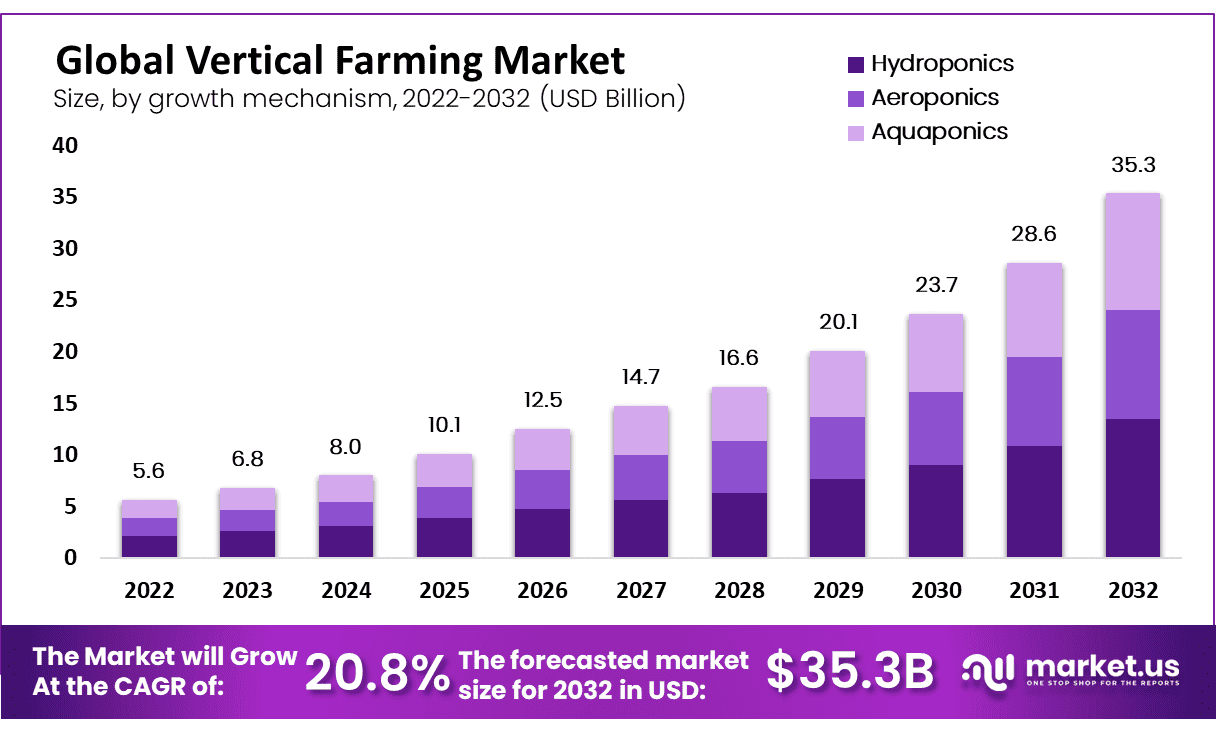
Back on Earth, precision farming is already rewriting the rules of cultivation. From vertical and hydroponic farms that save water and space, to aquaponic systems that blend fish and flora, and aeroponics that grow roots in mid-air, we’ve learned to coax life from the unlikeliest corners.
But space farming takes this one step further, asking if life can adapt to entirely hostile climates.
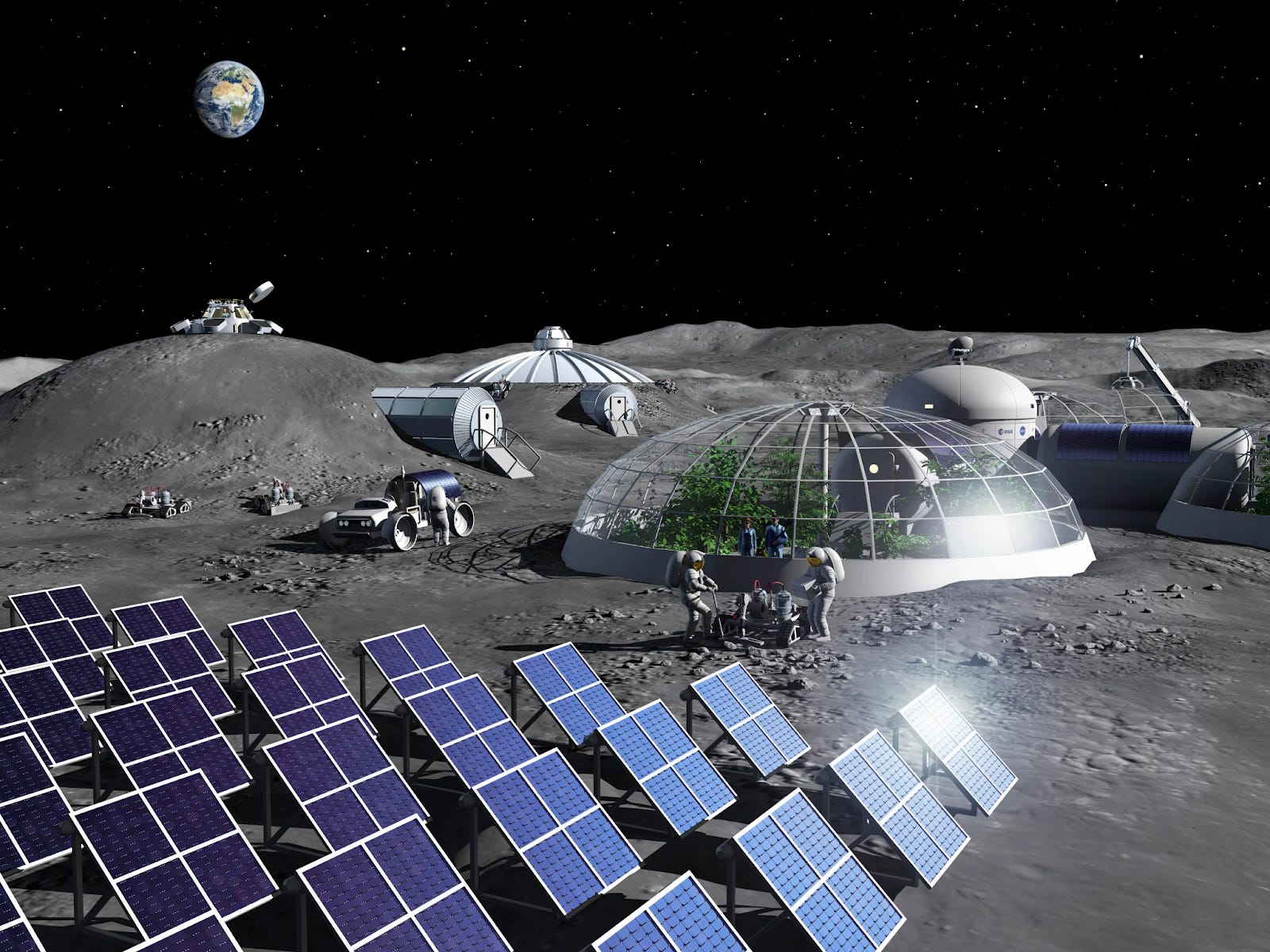
For decades, all food in space has been dehydrated, compact, functional, and soullessly efficient. But each gram matters. 100-grams from Earth to orbit can cost hundreds of dollars. And hence, the question was inevitable - that instead of carrying food, could we grow it in space?
NASA and ISRO are both exploring how plants respond to microgravity, radiation, and recycled air. In tiny controlled chambers aboard the International Space Station, lettuce, mustard, and wheat have already stretched timid roots toward artificial suns.
Closer home, ISRO’s cowpea seeds germinated in space within just four days as a part of India’s Space Life Science initiative that used porous clay pellets and slow-release fertilisers to recreate Earth’s delicate balance of air, water, and nutrition.
It’s the kind of scene that would’ve made the Star Trek crew pause mid-voyage!
Growing food in space is a way of carrying a piece of Earth wherever we dare to wander.
But it raises profound questions: If our next green revolution happens in space, what happens to the fields we’ve left behind? Can a future of hydroponic domes and oxygen farms coexist with the soil that raised us?
And as we reach for the skies, perhaps we’ll rediscover what roots truly mean!
#LifeLines

#LighterNotes
May the force be with you,
Vani
Thanks for writing this, it clarifys much. Highly analytical.